We don't try to be everything for everyone. ERPFlow is engineered specifically for three interconnected sectors: Foundries, Machine Shops, and Job-Work Units.
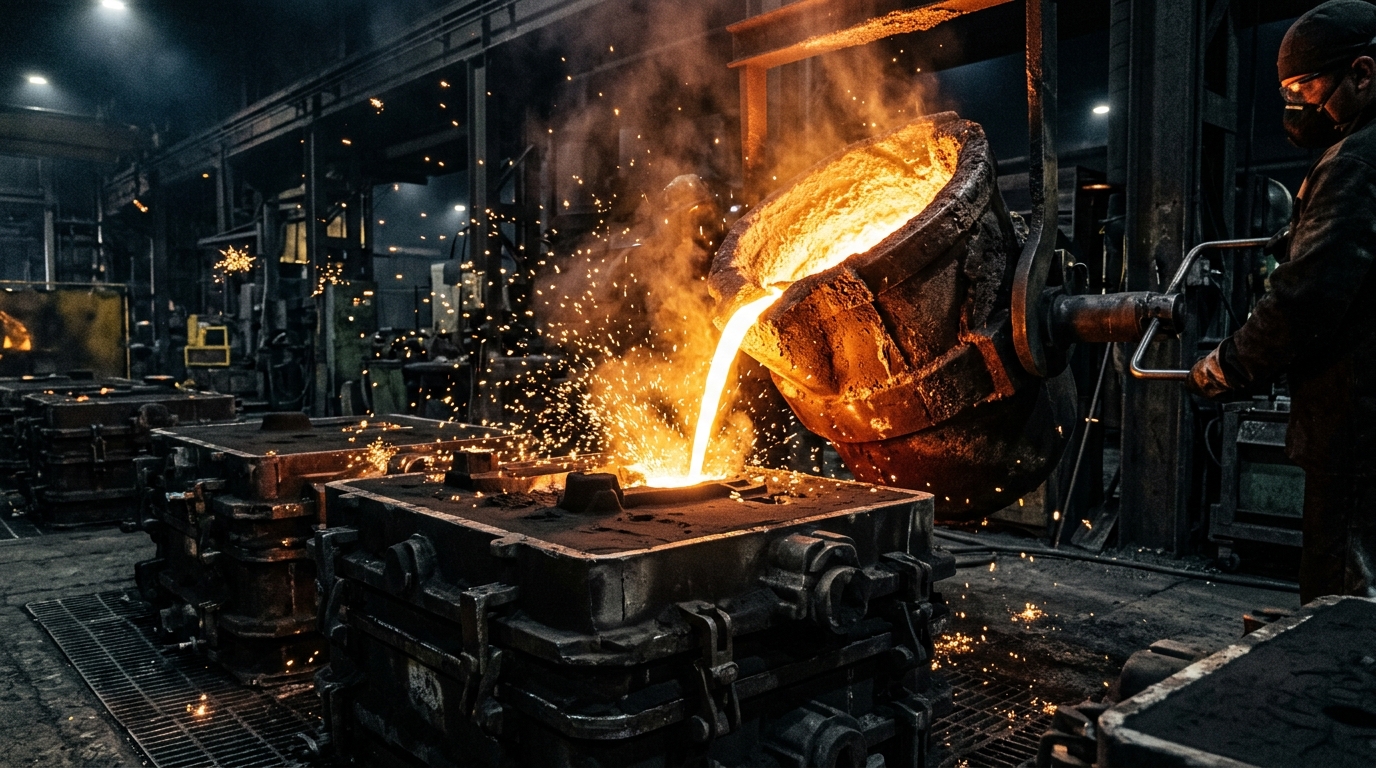
For foundries handling casting production, fettling, and job work, tracking client-supplied materials, lot-wise FIFO stock, and delivery challans requires dependable discipline.
Foundry units receiving raw castings or client patterns struggle with paper challans getting lost or damaged on the shop floor.
Gate inward recording linking every inward batch to the client's challan number with lot-wise stock tracking and clear inward receipts.
When older casting lots are buried under newly arrived stock, aging inventory sits in the yard while newer stock gets dispatched first.
Enforced lot-wise FIFO stock so oldest inward lots are always queued first for dispatch and finishing.
Tracking partial dispatches against client inward challans and accounting for boring scrap returned creates recurring reconciliation issues.
Professional delivery challans showing dispatched quantities, scrap returned, and remaining balance pending on the client's inward challan.
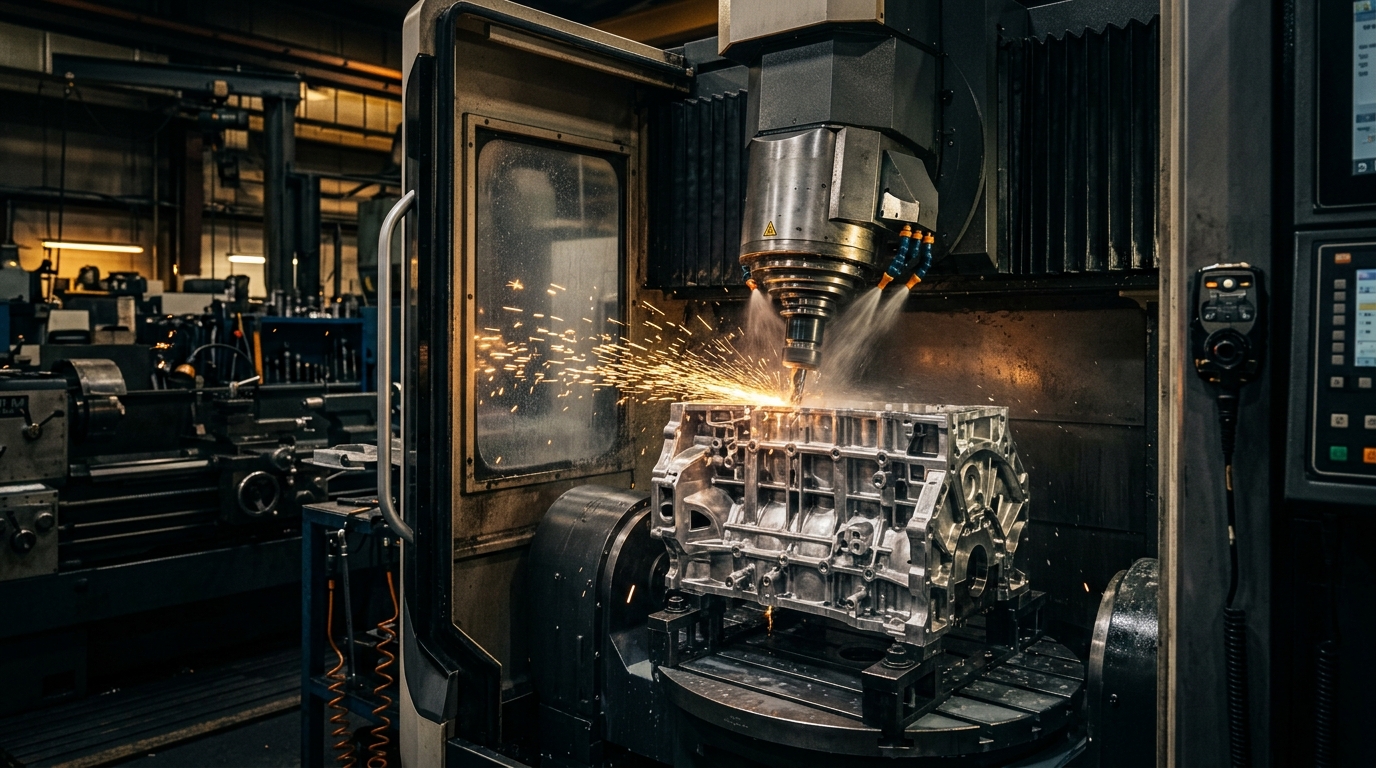
CNC lathes, VMCs, and conventional machining lines demanding accurate operation-wise rates, boring weight tracking, and consumable POs.
Jobs with multiple machining operations lack clear stage tracking and pre-agreed operation rates, leading to billing confusion.
Operation-wise work orders with locked rates and target boring weights, ensuring clear accountability at each machining step.
Tooling inserts, coolants, and machine consumables are ordered ad hoc without systematic PO records or delivery tracking.
Purchase orders module to create, issue, and track POs for cutting tools and shop-floor consumables with pending delivery statuses.
Batches sent out to external sub-vendors for specialized processes lack clear tracking and pending balance visibility.
Dedicated sub-vendor master and work orders with agreed operation rates and outward delivery challans.
Units machining client-supplied raw forgings and castings, operating on piece rates with strict requirements for delivery challans and scrap return.
Clients require their boring scrap accounted for and returned. Manual registers lead to disputes during month-end reconciliations.
The dedicated Boring & Machining Waste module records raw input weight, machined output weight, and scrap captured per job order with transparent printouts.
When new pallets arrive at the gate, operators naturally pick whatever is on top, leaving older casting lots forgotten until deadlines near.
Strict FIFO lot allocation enforces oldest inward lot processing. Operators and supervisors see exactly which lot must be loaded next.
A client sends raw castings dispatched across multiple delivery challans over weeks. Calculating the exact remaining balance on paper is prone to errors.
Every delivery challan auto-updates the parent client challan, showing exact quantities dispatched, scrap returned, and balance pending.

Schedule an interactive demo to see how ERPFlow matches the daily workflow of your foundry, machine shop, or job-work facility.
Book a Free Demo